
SPLIT: In DID, Distrust & Need for Power Can’t Be Underestimated
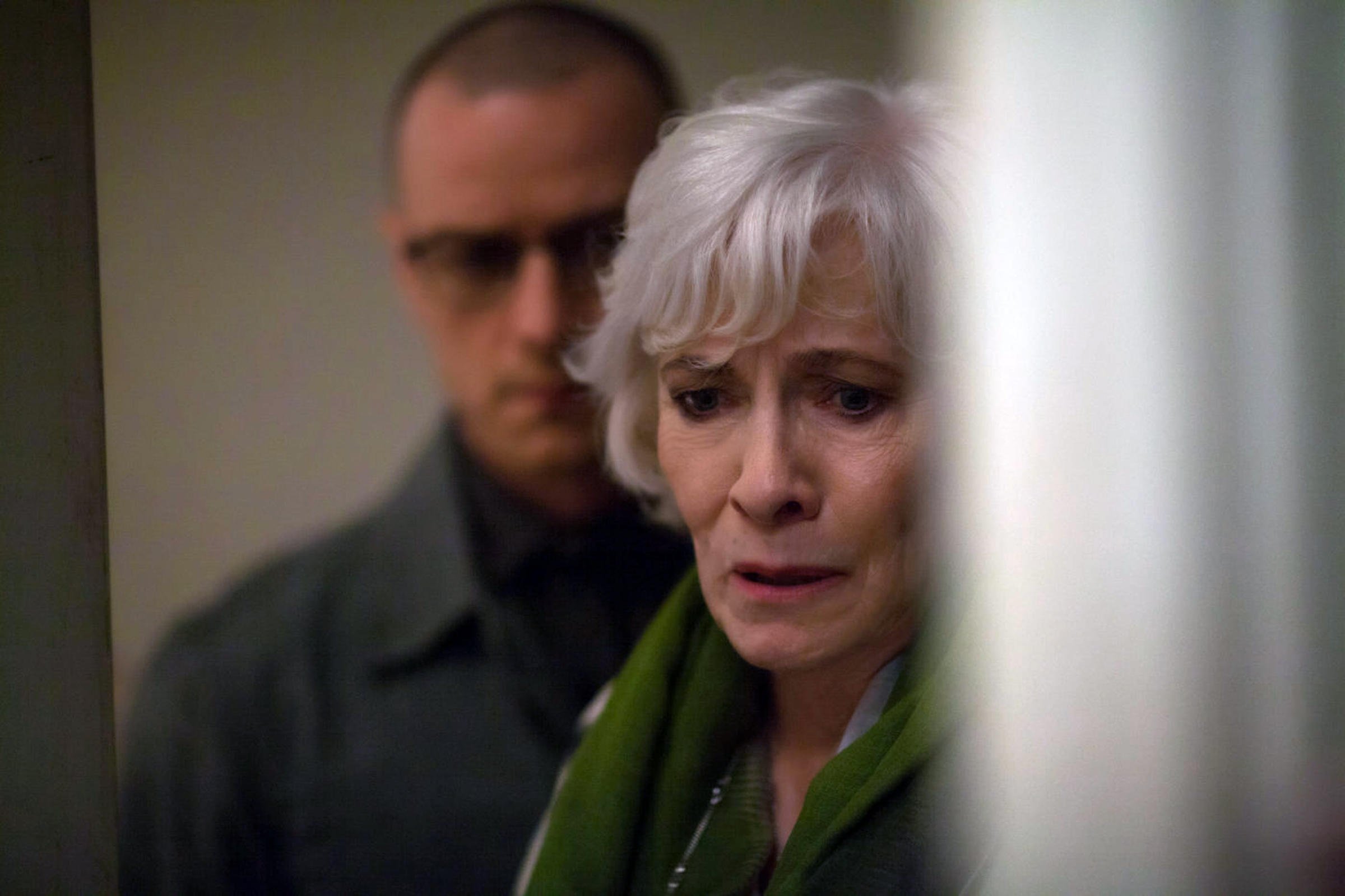
Dissociative Identity Disorder is very real. Dr. Karen Fletcher got that right. It’s sometimes the only choice in a childhood where the people you need the most are terrifying abusers. It’s true. DID is an extraordinary survival strategy when you have no power, and people can’t be trusted. Like in the childhood worlds that Kevin Wendell Crumb and Casey Cooke inhabited, in M. Night Shyamalan’s Split. Yes. Distrust and a need for power can’t be underestimated. It’s not that things will necessarily spiral into total disaster. But the damage to trust and the need for some sense of power just to survive must be taken seriously to heal childhood trauma. And that’s what Dr. Karen Fletcher missed in Split.
What Dr. Fletcher Missed in Split
She doesn’t deserve to die. Dr. Karen Fletcher (Betty Buckley) cares. A lot. And that’s essential in any therapeutic work, especially with those severely traumatized who weren’t loved as children. But. Caring isn’t enough. And, Dr. Fletcher is sadly naïve. She understands the extraordinary measures a traumatized child takes to survive (but she’s too enthralled with them). What she doesn’t get is the severe effects of trauma. Distrust and need for power can’t be underestimated.
Dr. Fletcher seems to think that all the alters (different personalities or “parts”) living inside Kevin (James McAvoy) should trust her. She pleads for their trust. But trust is earned. Trust is slow. Trust should never be taken for granted. Because trust is completely broken in severe trauma.
None of Kevin Wendell Crumb’s various personalities can trust anyone, for good reason. As Split unfolds, we learn that Kevin’s mother was a nightmare. An attacking, unpredictable, abusive, accusing, demanding, nightmare. She couldn’t be trusted. We never know the full extent of it. But for Kevin to Split as severely as he has, into 24 different personalities, she had to be absolutely terrifying. His trauma was unthinkable. The feelings he had as a child were intolerable. And he couldn’t hold all of it in his own mind, so he developed “the others” inside of him, who did.
So, when Dr. Fletcher goes on and on about DID and how such patients have unlocked the mind’s potential, asking, “Is this where our sense of the supernatural comes from,” she completely misses the boat. Yes, DID is an extraordinary, brilliant mechanism of survival. But it is that. Survival from horrible trauma. Powerlessness. Terror. And, when she tells Barry that The Beast “isn’t an alter” and couldn’t possibly scale walls or have skin as tough as a rhinoceros, she does not understand the meaning of needing magical powers or of having to be as tough as nails.
Trust comes out of real understanding. Time. And. patience. Kevin and his alters are too scared. Dr. Fletcher doesn’t understand that someone with DID has had to rely only on themselves.
Shattered Trust in a Terrifying Childhood
No one develops DID without a terrifying childhood. Yes, terrifying. So, when Dr. Fletcher tells Dennis, “You don’t have to hide,” (Dennis, who wouldn’t have OCD if he weren’t terrified of “making a mess,” not to mention needing control because he’s expecting disaster at any moment), she is missing the obvious. At least what should be obvious to a trauma specialist.
What is the obvious? That, of course, Dennis (who lives inside the traumatized Kevin) has to hide. People aren’t safe. No one is safe. Because no one was safe as a child. Dennis says it: “They keep calling us The Horde. We don’t deserve to be ridiculed. We are all struggling...” Kevin had to Split.
Humiliation. Ridicule. Shame. You have to hide from a mother like that. A mother who always makes you feel wrong. Always bad. A terrifying mother who will hurt you whenever she can. Not a mother who was there to protect you. So, when Dr. Fletcher says, “We’re all here to protect Kevin,” she’s threatening a self-protective system put into place to hide from dangerous people.
In a terrifying childhood, anyone can be a danger. Including Dr. Fletcher. She doesn’t see that. She doesn’t know that in order to heal, she needs to understand how dangerous everyone is. Not to assume that all the parts (alters) can be easily convinced that she’s not. Again, that takes time.
Casey Cooke (Anya Taylor-Joy) knows. She’s lived with her Uncle John (Brad William Henke) since her dad died, and he’s terrifying, too. Casey knows about hiding. She hides all the time. She knows about survival. Survival means hypervigilance. Keeping your eyes open. Knowing how to fight.
Fighting for survival is the key. And understanding the ways traumatized children learn to fight very early is essential. They fight by hiding. By being Split. By developing different “parts.” By shutting down and staying away from people. As Casey does. By watching. By being so, so careful.
Dennis says it in a nutshell about Kevin: “He’s very weak. He doesn’t know how powerful we can be.” You don’t feel any power when you’re terrified. That’s why other parts take over to survive.
DID as Survival During Childhood Trauma
Children Split during childhood trauma to survive. If you’re being tortured, humiliated, abused, neglected, violated, betrayed – you have to “go away,” far from the overwhelming hurt and pain.
You hide. And the best way to do that (when you can’t really hide from a cruel mother) is to hide inside by splitting into other parts (personalities or alters). Parts of you that don’t feel like you at all. Parts that carry (for you) the memories. The feelings. The needs. The power you don’t have. You have to Split. You have to run away. Fast. Far from the present. Far away from what’s being done to you.
So, Kevin Wendell Crumb split into other personalities. Living inside him.
Waiting until each is needed - to emerge.
Dennis has OCD. Keeps things clean. Is terrified Mother will scream. Controls anger. Can be violent. Barry is artistic. Soft. Mild-mannered. Capable. He holds a job. After all, they all need money to get by. Alone. Hedwig is 9 years old. Kevin’s little boy self. Hungry for attention. Sad. Lonely. Scared. Confused. He wants something from Casey. But. He trusts Patricia and The Beast. They live together inside. Not an outside person, like Kevin’s mother, who can hurt you. Humiliate you. Abuse you. Yell at you. Trick you. And. Make you feel like you are always, always doing something wrong. That’s Hedwig. He’s the little boy that Kevin was. Patricia is “maternal.” In the only way she knows how, since they didn’t really have a mother. She feeds them. Protects them. Helps find “sacred food.” (Innocent kidnapped girls.) Jade isn’t around much. But he comes when needed. He tries to be reasonable. Has a moral compass. He’s Protective. Helpful. And. The Beast. He comes when all else fails. When distrust overwhelms.
When power is needed. Tough as nails.
What’s hidden in these different parts? Hunger. Fear. Sadness. Anger. Vulnerability. OCD controls these feelings. Violence helps keep them under control. You can’t let yourself be vulnerable if you constantly expect to be hurt. It’s about Survival. That’s where The Beast comes in. He’s the savior. The super-hero. Because no one else has enough power to fight against those who can hurt you. Patricia says Dr. Fletcher’s ways aren’t working. Her ways mean trust. Vulnerability. And, that’s not safe yet. So, she’s become a threat. Because Dr. Fletcher pushes it. And, not only does she die. Her “therapy way” (sadly) dies too. Because help cannot be trusted.
Being helped is confusing. A trick. Kevin’s mother likely tricked him. Sometimes she was probably “nice.” And then she turned. Hedwig longs for normal things. Play. Company. Dancing. Not to be so alone. He’s hungry for all the things a child needs. Maybe with Casey? But he can’t trust.
Unfortunately, Casey does sort of want to trick him. She wants his help to escape. She tries to win Hedwig over. To show him she’s the same: “I get in trouble at school on purpose so that I can be sent to detention. So, I can get away from people. So, I can be alone.” “OK, I’ll show you something in my room, but ... I have to go ... When I fall asleep, one of the others goes and tells on us to the Dr. Lady.” That’s how fragile trust can be. Not really there at all. Casey knows.
Casey Understands (& Lives) Trauma Too
Casey isn’t DID, but she does dissociate in Split. She lives with trauma, too, and has to survive it. She sat at the party, not engaged with the others, staring in another direction, a somber look on her face. She’s a sad girl. The other girls were laughing and having a really good time, relaxed.
But Casey can’t relax. Relaxing is dangerous. You have to stay vigilant. Watchful. Careful. Don’t get close to anyone. You can get hurt. So, she protects herself. Stays away. Yells at teachers. Gets detention. A lot. And as the other girls say, she runs away from home. That’s where danger is.
After being kidnapped by Dennis, Casey has flashback after flashback to when she was a little girl. Yes. This is why she understands Hedwig. And knows not to try to fight against Dennis. To watch. To wait.
Flashback #1: She’s little and with her dad. Casey is happy. He’s nice, loving, and she loves him. They’re hunting. The bad part is they’re killing a buck. But he tells her that females are smarter than males. They use their noses to stay alive. They make sure they have cover. He teaches her how to survive. To trust herself. (Now, she’ll let the girls know when something makes sense.)
Flashback #2: They’re in the woods. They have a gun. Casey’s dad is teaching her how to aim. How to move with the buck, to get its pace. They’re out for the kill. Casey doesn’t like the killing.
Flashback #3: She’s with her dad and his brother. Uncle John isn’t like her dad. The deer is dying. Her dad says, “You didn’t use to like coming out here.” Casey is smiling. A frozen smile. An expected smile. She’s “not there.” This is when Casey learned to dissociate. Killing is too much.
Flashback #4: Uncle John quietly watches Casey. The buck is dead. He looks crazy, hyper-masculine, victorious with the power of the kill. He’s brandishing the gun he used to shoot it.
Casey walks through the woods towards Uncle John. She looks lost. Shut down. Dissociated. He says, “Casey, come on. Let’s pretend we’re animals again. This is our game. I’ll tell your dad you’re not being nice.” This isn’t fun for her. “Take off your stuff. Animals don’t wear clothes.” He’s naked in the water, and he’s howling like a wolf. Later, with his clothes on, he walks towards her.
Casey is pointing the rifle at him, dazed. He’s dangerous. Abusive. Terrifying. He says, "Put that gun down, Casey. It isn’t loaded, is it?” She doesn’t budge. “Stop it, Casey. This isn’t funny. I’m your uncle.” He grabs the gun. She’s panting and hyperventilating. “You could’ve killed me.”
The gun. That is Casey’s power. Power that she doesn’t really have. Over her terror. Of an uncle whom we see very little. But an uncle, who is not safe. An uncle who, without any doubt, sexually abused her. And still does. After all, when her father died, Uncle John said, “I’m going to take care of you. I’m your uncle. You aren’t going to give me any trouble ... I know you won’t, sweetie.”
The Beast: A Frantic Need for Power
Traumatized children have no power over the adults who abuse them. Like Casey had no power and still has none over her abusive uncle. Just as Kevin had no power over his mom’s abuse. No. Hedwig won’t be tricked. “No one will make fun of me anymore when the Beast comes. Patricia says everyone will see how amazing he is. Then all of the silly mistakes won’t matter anymore.”
Dennis tells Dr. Fletcher that he arrived when Kevin was three years old. “The one way to avoid her (the mother) punishing us was to keep everything spotless and perfect.” Flashback: “Kevin Wendell Crumb, Kevin Wendell Crumb, you made a mess.” He’s hiding. Terrified. “Come out here!” Mother seems to be holding a hanger ... Kevin is terrified. He has no power. No power at all.
When you have no power, that breeds rage. Dr. Fletcher seems not to understand that she is a threat. She’s a woman. Who could easily turn into that monster mother at any time. Unless she understands the danger that she poses, she can’t earn their trust. That’s why they need the Beast.
The Beast is “the biggest of them all.” Bigger than Dr. Fletcher. Who makes them all feel small. Scared. Vulnerable. The Beast is tall and muscular. He can scale walls. He can overpower anyone.
For Casey, trying to get free of the Beast is the fight of her life. She struggles with him. She finds a gun. Ammunition. Loads it. Tracks him. Like her dad taught her to track the buck. Casey’s crying, sobbing, “Help, help! No, no!” The Beast is her uncle. Her rage. Her terror. He is her, as he yells:
“We are glorious. We will no longer be afraid…” Fear is terrible. Yet, no longer being afraid is a very tall order for a trapped, helpless, powerless child – alone - who has no one safe to turn to.
And, sadly, that’s how Split ends. The Beast consumes Kevin because Dr. Fletcher didn’t know how to help him. Because as the memories start to flood in, they are too much, and he wants to die. The Beast protects him. And the kind, older man who finds the frozen-in-fear Casey can’t help her either. Because, like most abused children, she can’t tell him the truth. Silenced long ago, she’s too terrified of her uncle’s retaliation. So. No one knows. She’s alone. “Your uncle is here, ready to go?” Casey sits. Blank. Staring at the police officer, who looks unknowingly back at her.
Yes. Casey escaped Dennis and the Beast. But, not really. She’s still powerless. Still staying away from people, just as she told Hedwig she does—people who aren’t safe and can’t be trusted. But. Rage can be used to find your voice. To break free of trauma. That is, if you have someone to help you. Someone who understands, makes you feel safe, lets you go at your own pace, and doesn’t expect you to trust … until you do.