

DYING FOR SEX EPISODE 1: The Value of Saying “No More”
Molly’s scared to feel. In Dying for Sex Episode 1, childhood sexual abuse is the reason. But there’s more than being numb to her feelings. She can’t say no or put herself first. Not quite yet.

NICKEL BOYS: Holding On to Your Self Even When Abused
How do you hold onto yourself amid threat, abuse, and constant attempts to make you feel “less than”? Elwood Curtis does, in RaMell Ross’s powerful, disturbing, and timely 2024 film, Nickel Boys. Abuse can tear a person down—create hopelessness, despair, and resignation.

THE BRUTALIST: Severe Trauma & Complicated Guilt
Why do so many people who’ve suffered severe trauma live with complicated guilt? Guilt that has nothing to do with anything they’ve actually done? Or, like László Tóth in Brady Corbet’s 2025 The Brutalist—guilt about lesser things that is blown way out of proportion?

THE SUBSTANCE: A Sad, Gory Story of a Woman’s Self-Hate
Elizabeth Sparkle, an aging yet beautiful actress, hates herself. That’s why The Substance is a sad, gory story of a woman’s self-hate. Self-loathing always stems from early trauma. And both childhood trauma and self-hate are devastating.

A REAL PAIN: To Numb or Not to Numb?
Numbing pain is not a conscious choice. It’s a common survival strategy, a self-protection from emotional overwhelm, during and after trauma. And it is often passed down for generations. Take cousins Benji and Dave, for example, in Jesse Eisenberg’s film, A Real Pain.

A COMPLETE UNKNOWN: A “Free” Contrarian, But at What Price?
A Complete Unknown is … yes … Bob Dylan – even though I can’t completely see Timothy Chalamet as Bob. The music is undoubtedly Dylan and, although I wouldn’t presume to speak to Bob Dylan’s psychology, this film tells us volumes about someone bent on (personal) “freedom” at any price.

BLUE VELVET: Why Desire Goes Wrong
David Lynch’s troubling and sexually violent 1986 film Blue Velvet reveals the corruption and dark impulses under what seems to be a white picket fence kind of purity and innocence. In Lynch’s signature style, this jolting movie strips bare the confusing urges and compulsions people live with related to desire, need, and what is or is not love.

ALL WE IMAGINE AS LIGHT: What Happens When Love Hurts You
What happens when love hurts you? In Payal Kapadia‘s All We Imagine as Light, Nurse Prabha’s sad, lonely, closed-up face tells us (almost) all we need to know. Prabha has been failed twice by love. No voice against an arranged marriage.

CONCLAVE: The Why’s of Secrets & Breaking Free
Why do people keep secrets? Mostly, shame, terror, fear of being found out, or a desire for power and control. Edgar Berger’s Conclave shows a struggle with secrets, past and present.
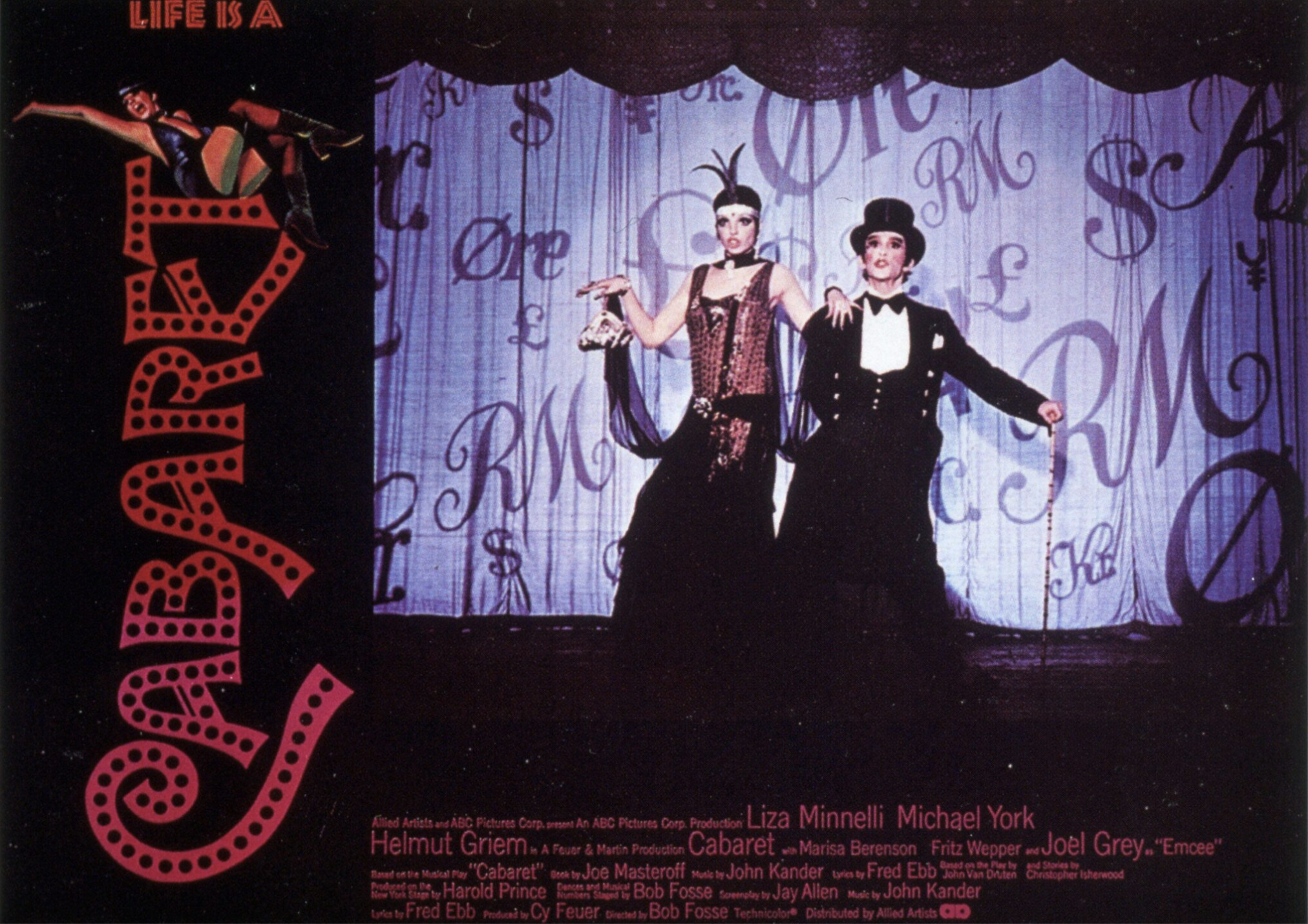
CABARET: How Quickly Freedom Disappears
It’s frightening how quickly freedoms can disappear. The question is: Why is it sometimes hard to see the complicated forces, in the outside world and living inside us, that want to deceive us if we aren’t aware. What blinds us can make us vulnerable.

WICKED: Rage at Abuse Isn’t Wicked
John M. Chu‘s 2024 film, Wicked, shows us in spades what happens to an abused child. That’s Elphaba. Abandoned. Shamed. Blamed. Rejected. Bullied. Shunned. Of course, rage fills Elphaba. It’s a terrible injustice to label her Wicked. Elphaba’s no different than many abused children. Hungry for love, she keeps her hurt bottled up. Caters to the wishes of others, “grateful” for scraps of attention. Until her rage explodes, with all the power Elphaba has.
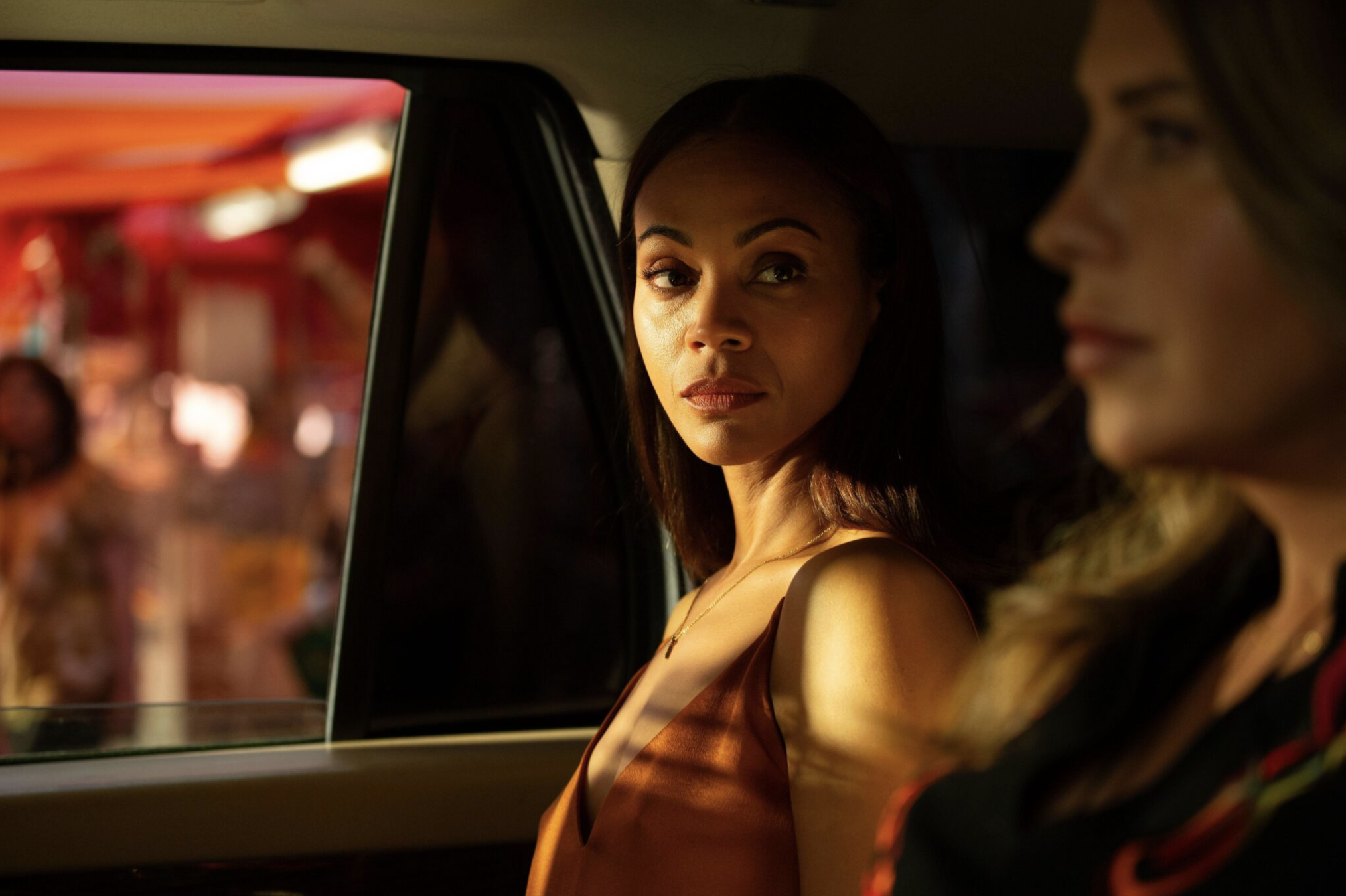
EMILIA PEREZ: Change Isn’t Trying to Make Your Old Self Disappear
Being who you are is the most important thing in the world. That often means change. But change isn’t about trying to make your old self disappear. Jacques Audiard’s Emilia Perez clearly shows how and why that doesn’t work.

ANORA: Running From Pain
Pain. We see that in Anora, Sean Baker’s raw and brutally poignant new film. Pain. Although Ani, the film’s main character does her best to hide her feelings, mostly from herself, no one becomes addicted to sex (or drugs or alcohol) if they aren’t trying to escape unbearable pain. Ani and Vanya don’t want to face the pain of lovelessness and hunger for love.
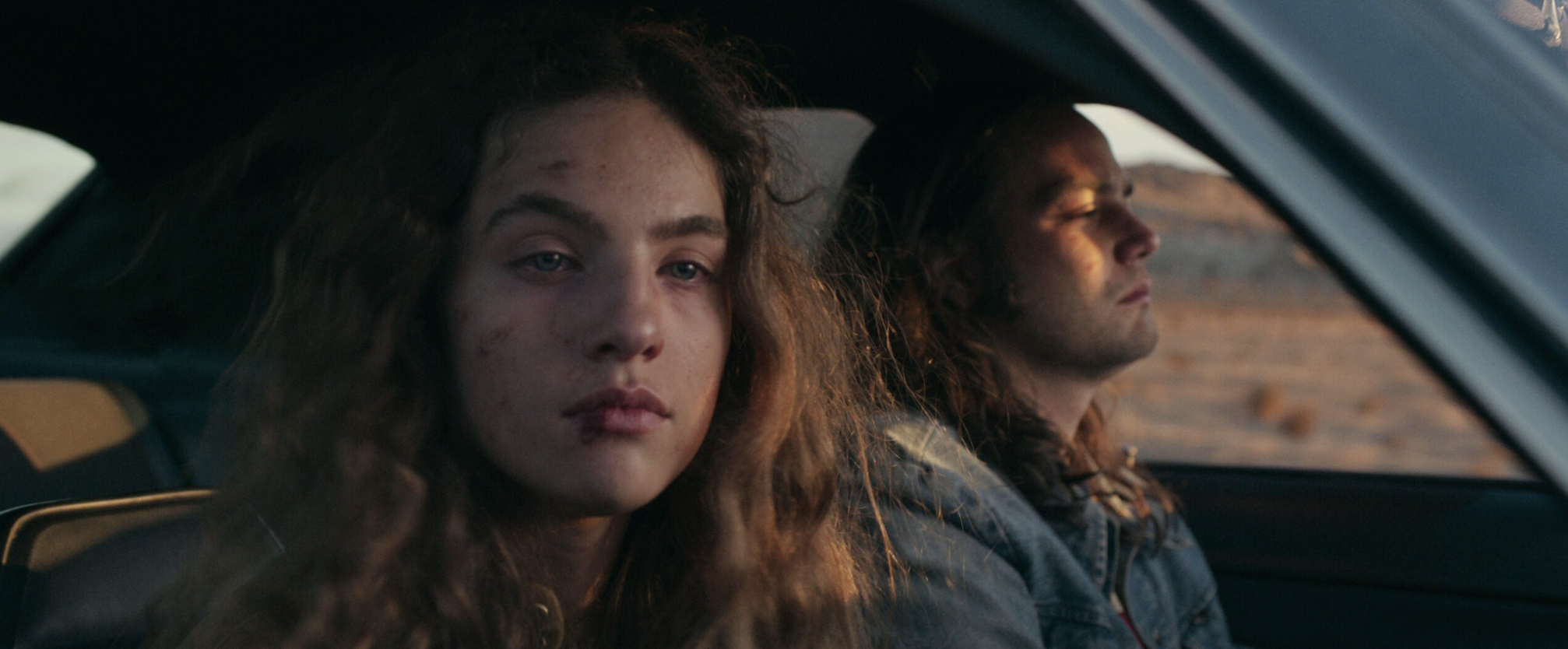
WOMAN OF THE HOUR: Seeing (Or Not Seeing) Red Flags
Who will hurt you the most? That’s the hidden question in Anna Kendrick’s Woman of the Hour. And, as a woman, how do you tell? It’s by seeing (or not seeing) red flags. Sometimes, you can’t see them when you’re lonely or hungry for attention and love.
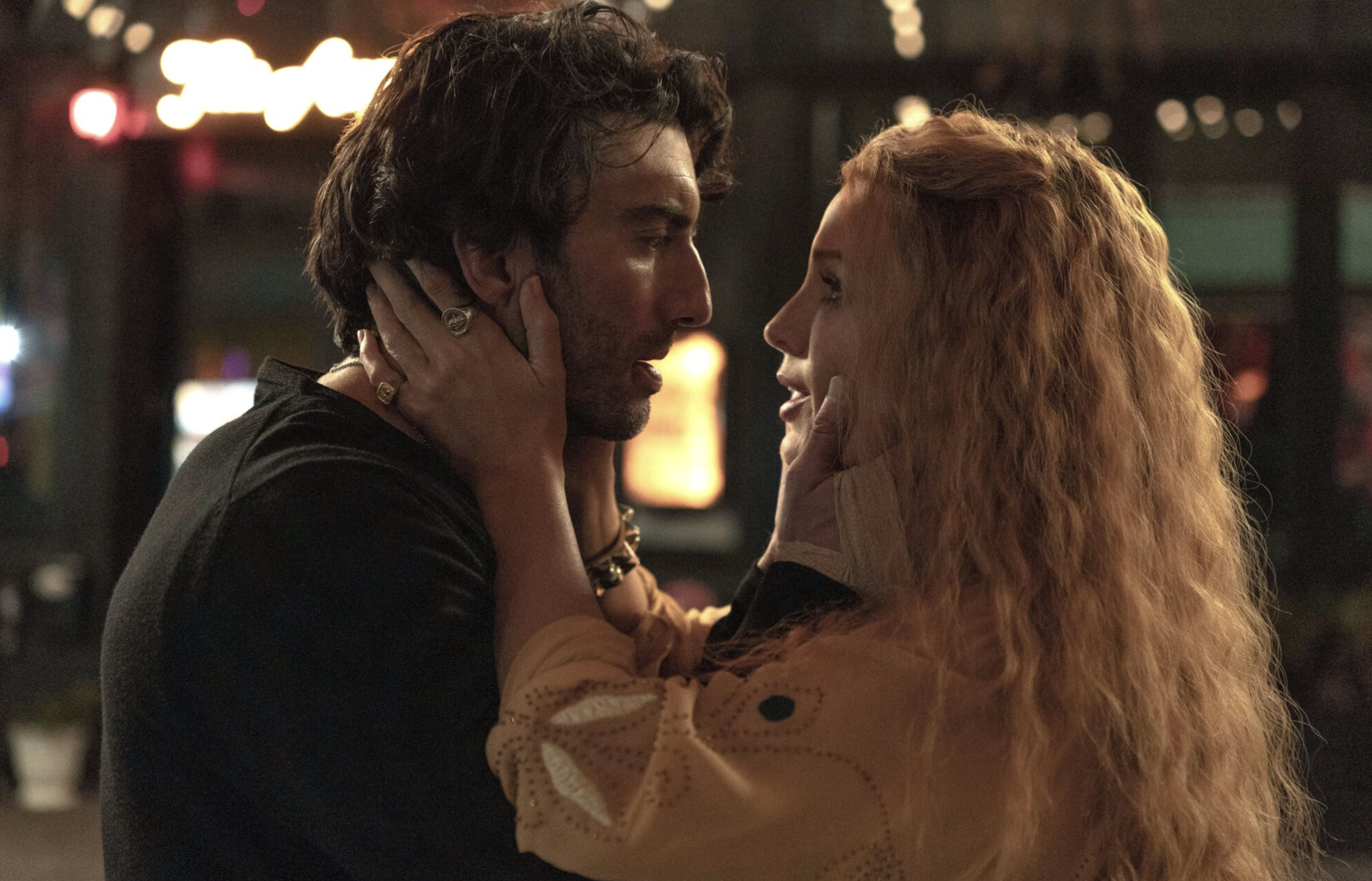
IT ENDS WITH US: Ways Traumatized Children (Then Adults) React
It Ends With Us is about ending the cycle of domestic violence. At least on the surface, it is. But, looking more deeply into Justin Baldoni’s film, we find different ways traumatized children (then adults) react. All these reactions, painfully and tragically played out by Lily, Ryle, and Atlas in It Ends With Us, lead to later problems with love.
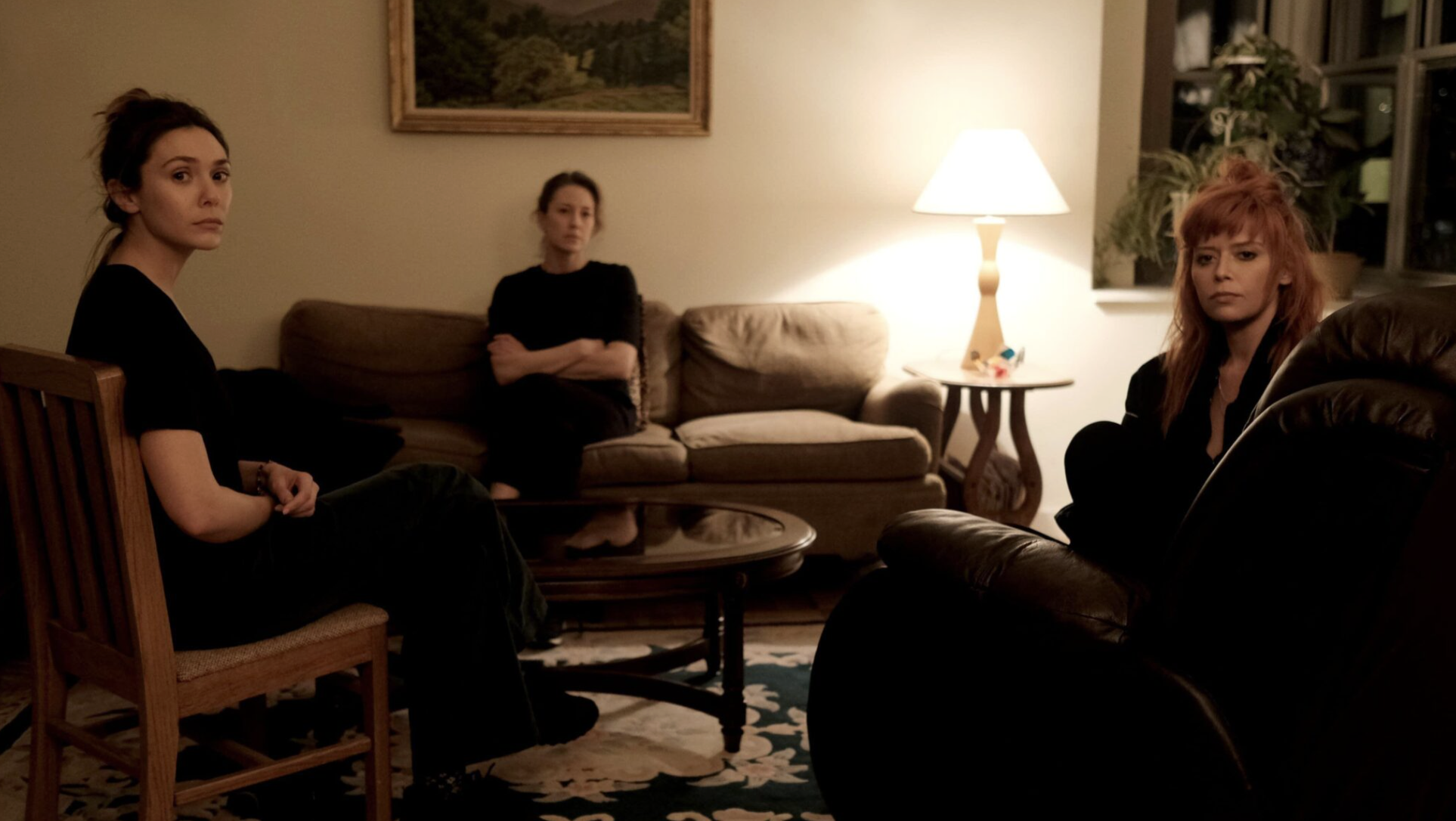
HIS THREE DAUGHTERS: Fear of Loss = Disconnection
When you’ve already lost too much and live in fear of more loss, that can make you disconnect. This is where we find the three sisters in Azazel Jacobs‘s His Three Daughters. Disconnected.
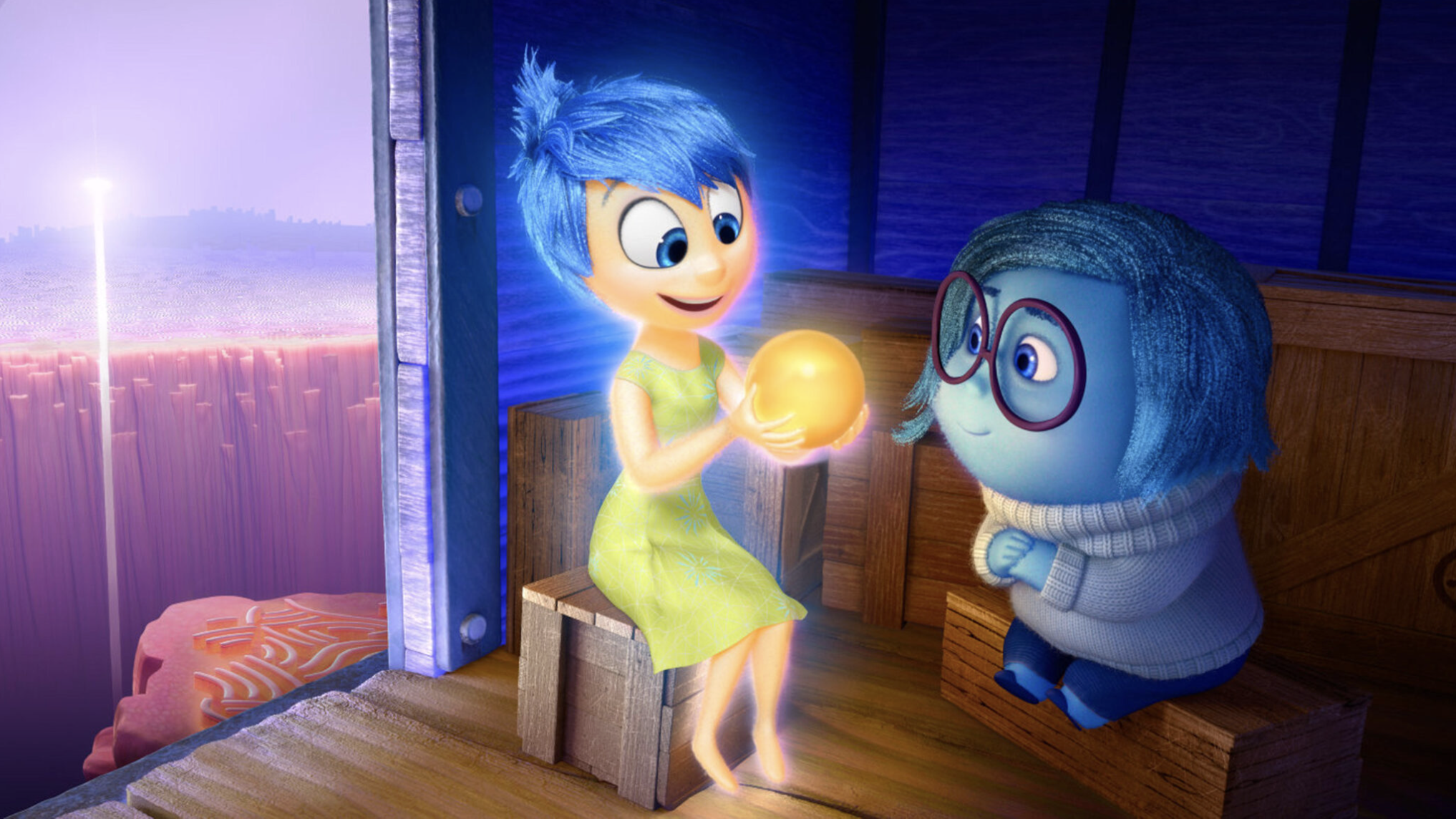
INSIDE OUT: Why Sadness Matters, Especially After Trauma
Sadness matters. Especially after trauma. Every feeling matters — all the time. Feelings are normal and human. We all have them. Yet, do you – fight them?
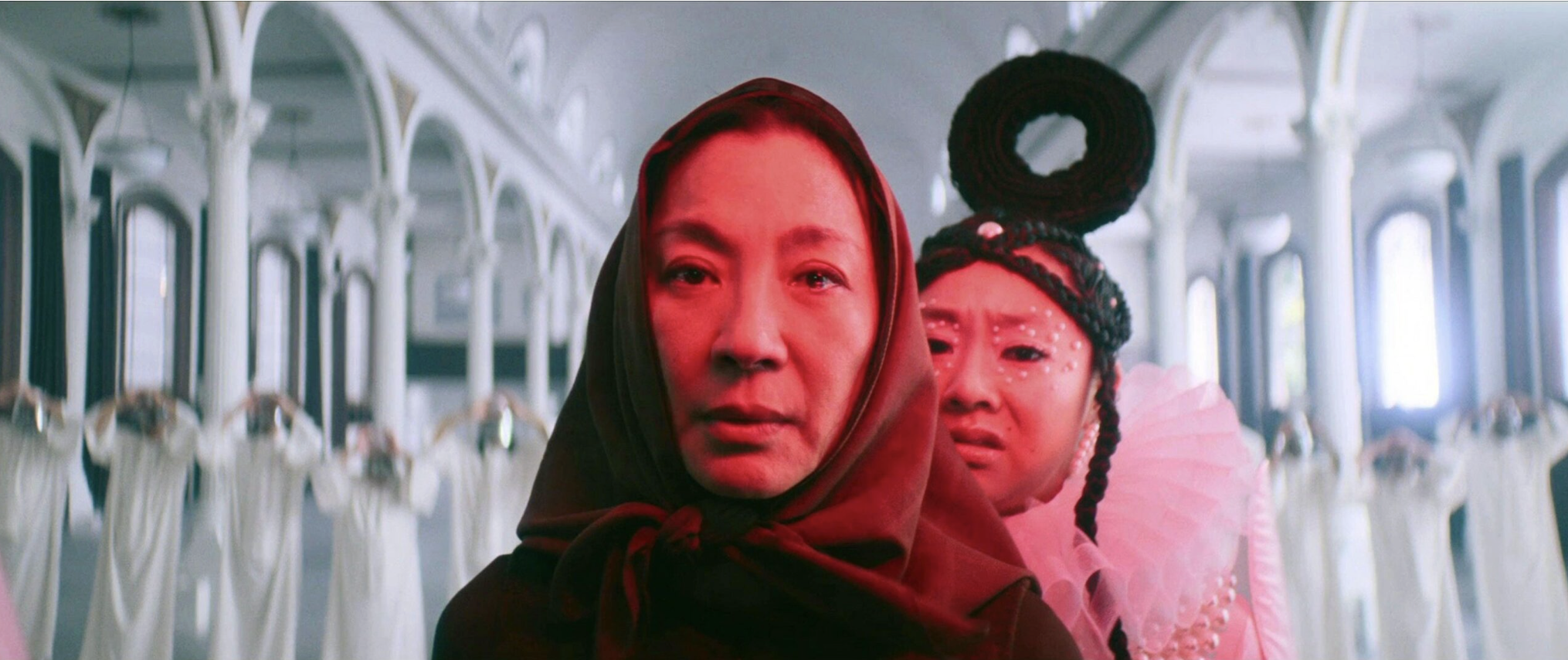
EVERYTHING EVERYWHERE ALL AT ONCE: Breaking Out Of Someone Else’s Box
Who chooses what’s “right” for you? In the best of worlds, you do. But, if you’re afraid to trust your own voice, it can be very hard to believe that. Especially when there are people in your life, and other voices inside, who tell you they know the right answers.
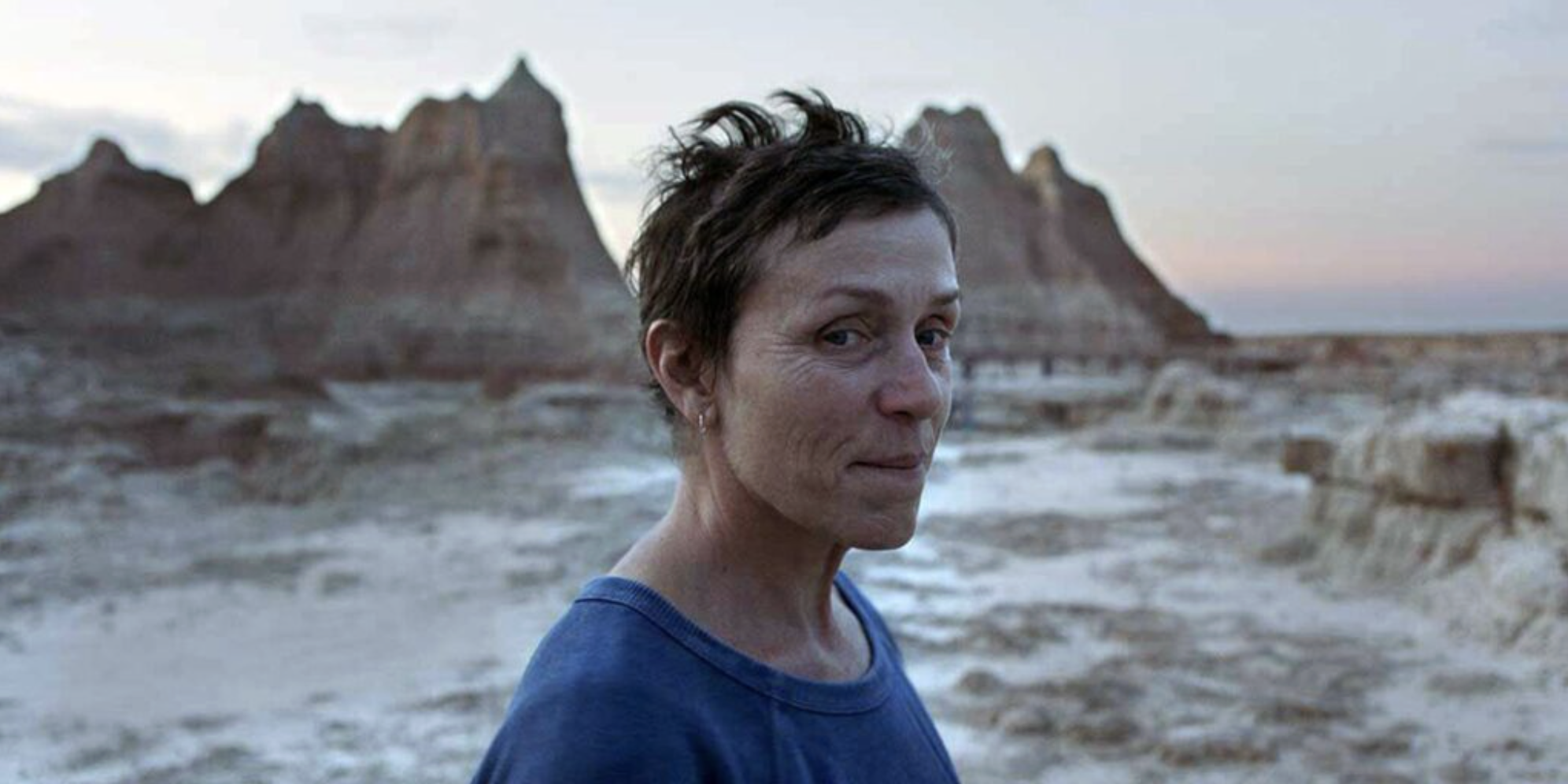
NOMADLAND: A Lonely Nomad’s Land of Loss
Loss can feel like a nowhere land of moving aimlessly from feeling to feeling, from place to place, inside your mind. Loss can make you feel like a lonely nomad. You’ve lost the home you know, with a person that you love.
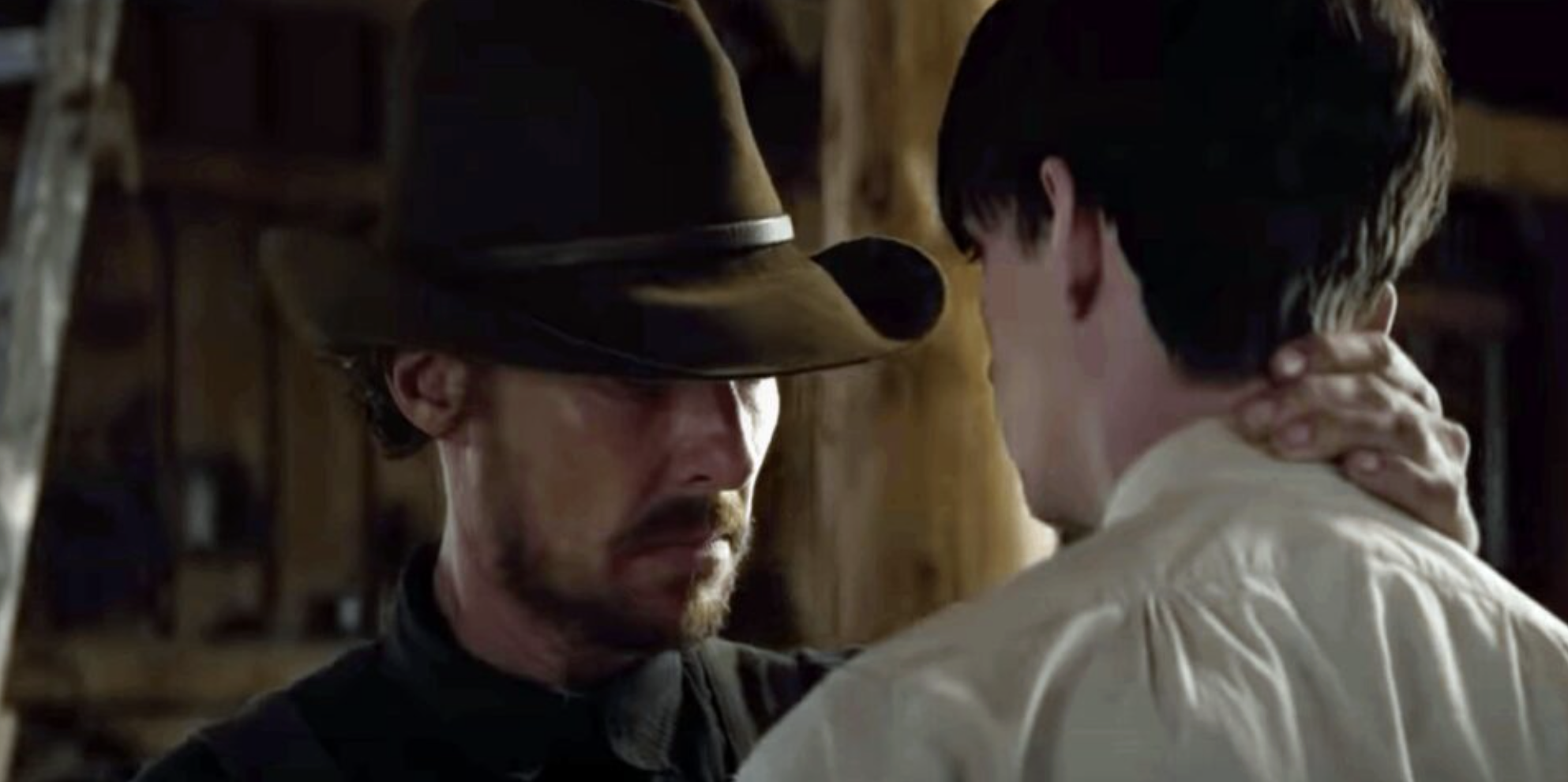
THE POWER OF THE DOG: Phil Burbank’s Cruelty: What He Hates in Himself
Jane Campion’s chilling film, The Power of the Dog, has much to say about the adage that what we hate in others is what we can’t accept in ourselves. And wow, does the character of Phil Burbank spell that axiom out in spades.